
Fire Protection Services

Home / Services / Fire Protection Services

Fire Protection Services Australia

Fire Protection Services & Solutions for Australian Businesses

Fire safety is not something a business should think about only when an alarm sounds. It begins much earlier. In the inspection. In the maintenance record. In the fire door that closes properly. In the extinguisher that is serviced. In the penetration that has been sealed correctly. In the hydrant that is ready when it is needed.

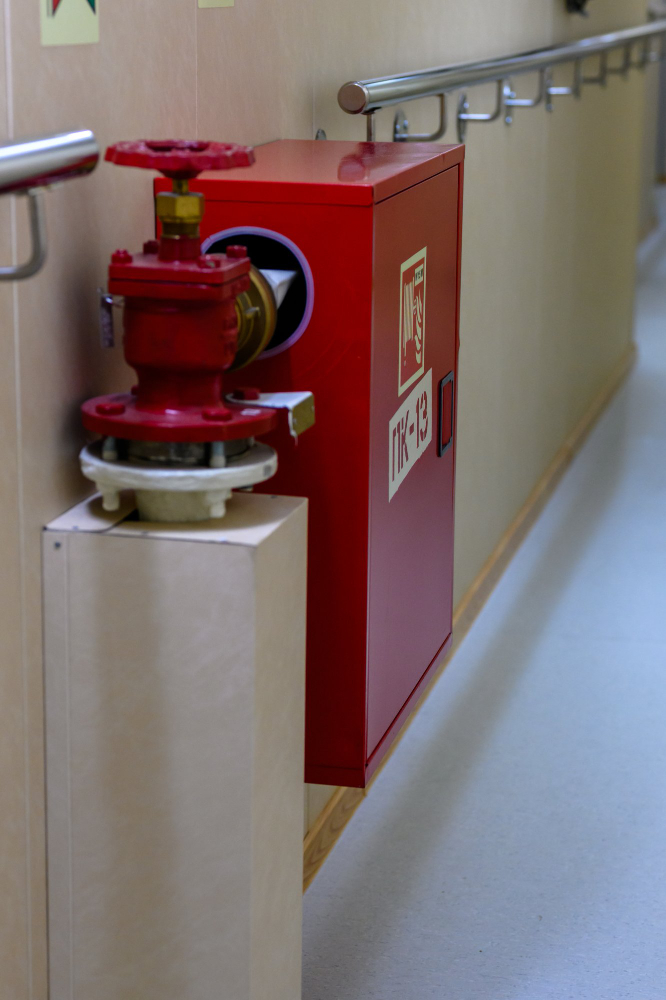
Fire hydrant valve and hose reel cabinet in a commercial building

For commercial, industrial and public facilities, reliable Fire Protection Services Australia support is about more than equipment. It is about preparedness. It is about protecting people, property and business continuity through systems that are inspected, maintained and managed properly.

At TWS Service & Solutions, fire protection forms part of a broader facility maintenance approach designed to help businesses stay ahead of defects, compliance issues and unnecessary operational risk. TWS currently provides passive fire inspections and reporting, fire-stopping and penetration sealing, fire hydrant upgrades and repairs, as well as fire extinguisher testing, tagging and replacement.

Fire Protection Should Work Before You Need It

Most fire protection systems spend their lives waiting. Extinguishers remain mounted to walls. Hydrants sit quietly in place. Fire-rated walls and ceilings become part of the building around us. Fire doors open and close without much thought. That quietness can make them easy to forget.

But fire protection is only useful when it is maintained. A system may look fine from the outside while hiding defects underneath. A fire-rated penetration may have been altered during electrical works. A door may no longer close correctly. An extinguisher may be overdue for servicing. A hydrant may require repair.

Good Fire Safety Services Australia businesses rely on should identify these issues before an emergency exposes them. That is the difference between installed fire protection and managed fire protection.

Passive Fire Protection Services

Some of the most important fire protection systems never make a sound. Passive fire protection is built into the structure of a building and is designed to help slow the spread of fire and smoke while maintaining fire-resistant compartments.

TWS Service & Solutions provides passive fire services covering areas such as:

These systems can be easy to overlook because many are hidden above ceilings, inside service areas or around building penetrations. Yet they play an important role in supporting building safety and safe evacuation.

TWS uses Vitals to support passive fire inspections, reporting and asset management, including photographic evidence, location-based defect tracking and centralised compliance records.

Fire Hydrant Repairs and Upgrades

A fire hydrant is not ordinary plumbing. It is part of a system that may become critical during an emergency. That means damage, accessibility problems and ageing components should not be ignored simply because the hydrant is rarely used.

TWS provides fire hydrant upgrades and precision repairs as part of its wider fire service capability. Hydrant work may become necessary when:

The best time to deal with a hydrant issue is not when someone urgently needs the hydrant. It is before then.

Fire Extinguisher Testing, Tagging and Replacement

Fire extinguishers are among the most visible fire safety assets in a commercial building. They are also among the easiest to take for granted. An extinguisher may remain untouched for months or years. That does not mean its condition should remain unchecked.

TWS provides fire extinguisher testing, tagging and replacement as part of its fire services offering. Scheduled servicing helps identify whether equipment remains suitable, accessible and ready for continued use. It also gives facility managers a clearer maintenance trail.

That matters across large sites where dozens or even hundreds of fire assets may need to be tracked. One extinguisher is easy to remember. A whole facility needs a system.

Inspection and Reporting That Creates Clarity

Good fire protection work should leave more than a completed job. It should leave useful information. Facility managers need to know what was inspected, what passed, what failed, what needs rectification, where the defect is located, how serious it is and what should happen next.

TWS uses structured digital reporting through Vitals for its passive fire inspection work. Reports can include compliance status, defects, photographs, recommended corrective actions and asset references, giving facility teams a clearer record of what has been identified.

That turns an inspection into something useful. Not simply a date on a tag.

Defect Identification and Rectification

Finding a defect is only half the job. The next question is what happens to it. Small fire protection defects can easily become permanent if they disappear into a spreadsheet or maintenance list. A damaged seal is recorded. A door issue is noted. A penetration is photographed. Then another maintenance problem arrives. Then another. Months pass.

Good commercial fire services Australia support should connect inspection with practical rectification. TWS identifies defects and provides prioritised rectification recommendations as part of its passive fire service process.

This creates a more useful maintenance cycle: inspect, record, prioritise, repair, track and review. Simple steps. Better control.
Passive fire protection inspection and compliance

Fire Protection for Commercial Facilities

Commercial buildings can change quickly. Tenancies move. Walls are modified. New data cabling is installed. Mechanical services are upgraded. Plumbing changes. Electrical work creates new service penetrations. Each change can interact with existing fire protection systems.

That is why Fire Protection Services Australia should not be treated as a one-off exercise. Fire protection needs to move with the building. A facility that was compliant after one project may require reassessment after another. Routine inspections help reveal whether later work has affected existing fire-rated areas, doors or other fire safety assets.

Fire Protection for Industrial Facilities

Industrial sites bring their own complexity. Larger footprints. More infrastructure. More service penetrations. More mechanical systems. Higher operational demands. In these environments, fire safety work needs to fit around production and access requirements without losing sight of compliance and reliability.

TWS works across commercial, industrial and public facilities as part of its broader facility maintenance and capital works capability. For industrial businesses, this means fire services can be approached alongside wider maintenance needs rather than as an isolated activity.

Fire Protection for Public and High-Use Facilities

Public facilities carry another challenge. People. A lot of them. Buildings may experience heavy daily traffic, changing occupancy and regular contractor access. Doors receive more use. Equipment can be moved. Access routes can change. Maintenance teams may be responsible for a large number of assets across multiple areas.

A structured approach becomes especially important. Good fire protection work should support the people responsible for the facility as much as the equipment inside it. Clear records. Clear defects. Clear priorities. Clear next steps. That is what makes maintenance manageable.

Why Planned Fire Maintenance Matters

Reactive work begins after something goes wrong. Planned work begins before it does. The difference sounds small. Operationally, it can be enormous.

Planned maintenance makes it easier to coordinate access, budget for rectification, reduce disruption, track defects, schedule repairs and maintain records. Emergency work offers none of those luxuries.

TWS positions its wider facility maintenance service around preventative and reactive maintenance, with a focus on reducing downtime and supporting long-term asset reliability. The same philosophy makes sense for fire protection. The quiet inspection today may prevent a much louder problem tomorrow.

One Team Across Facility Maintenance

Fire protection rarely exists alone. A building is a network. Plumbing. Electrical systems. Mechanical services. Roofing. Structure. Fire protection. One trade can affect another. An electrician may create a penetration through a fire-rated wall. A plumber may run new pipework through a compartment. A renovation may alter doors or wall systems.

This is where an integrated facility maintenance provider can add value. TWS Service & Solutions works across a broad range of facility maintenance and capital works services, including plumbing, electrical upgrades, structural work, fabrication and fire services. The advantage is not simply having more services. It is understanding how those services interact.

Compliance Is Not Just Paperwork

Fire protection reporting can sometimes feel administrative. Tags. Registers. Photos. Reports. Records. But documentation serves a practical purpose. It helps a facility understand what has been inspected and what still requires action.

TWS states that its passive fire inspections are carried out in line with relevant Australian Standards and building compliance requirements, with digital records supporting compliance tracking and building safety documentation.

A good record gives the next technician context. It gives the facility manager visibility. It gives consultants or certifiers supporting information. And it reduces dependence on memory. In facility management, memory is useful. Traceability is better.

Choosing a fire protection company in Australia

Choosing a Fire Protection Company in Australia

When choosing a Fire Protection Company Australia businesses can rely on, look beyond the service list. Ask how the work is managed. Does the provider inspect and report clearly? Can they identify and prioritise defects? Can they perform rectification? Do they understand commercial and industrial facilities? Can they work alongside wider facility maintenance requirements? Will you receive useful records after the job?

These questions matter because fire protection is not just a product purchase. It is an ongoing responsibility. The right provider should make that responsibility easier to manage.

Why Businesses Work With TWS Service & Solutions

TWS Service & Solutions brings more than a decade of experience across facility maintenance and capital works and supports commercial, industrial and public environments. Its current fire-related capability includes:

For businesses searching for commercial fire services Australia, the value lies in having fire protection connected to the wider reality of facility maintenance. Not another isolated contractor. A broader understanding of the site.

Fire Protection Built Around Your Facility

Every facility is different. A warehouse has different risks from an office. A public building operates differently from an industrial site. A new facility has different needs from a building that has been altered for twenty years. Fire protection should reflect those differences.

TWS develops customised facility maintenance plans around operational requirements and budget considerations rather than relying on a single fixed approach. That same thinking matters when planning fire protection work. The building should shape the solution. Not the other way around.

Keep Your Facility Ready

Good fire protection is rarely dramatic. That is its strength. A fire door closes properly. A penetration is sealed. A hydrant defect is repaired. An extinguisher is serviced. A report is completed. The building continues operating. Nothing remarkable happens. And that is exactly what good maintenance should look like.

Reliable Fire Protection Services Australia support is about doing the important work before it becomes urgent. Checking what needs checking. Repairing what needs repairing. Recording what matters. Keeping the facility ready.

TWS Service & Solutions provides integrated fire protection and facility maintenance support for commercial, industrial and public facilities, helping businesses manage safety, maintenance and long-term asset performance with greater clarity.

Because when fire protection is working properly, it should remain quiet. Ready. And waiting.

What fire protection services are available in Australia?

Fire protection covers more than the equipment people can see on a wall. For commercial and industrial facilities, services may include inspection, testing, maintenance, repair and rectification across active and passive fire protection systems. Depending on the building and its requirements, Fire Protection Services Australia may include:

The exact services required will depend on the property, installed systems and applicable compliance requirements. A warehouse may need a different maintenance approach from an office, retail facility or public building. The important thing is to treat fire protection as a connected system rather than a collection of individual products.

How can Australian businesses improve fire safety and compliance?

Good fire safety begins with knowing what is installed and understanding its current condition. Businesses can improve fire safety by creating a structured inspection and maintenance program rather than waiting for a visible problem. That means keeping fire equipment accessible, arranging required servicing, recording defects and making sure rectification work is completed.

Building alterations also deserve attention. New electrical cables, plumbing, mechanical services or renovations can affect existing passive fire systems. A small opening through a fire-rated barrier may seem insignificant during construction but can require appropriate fire-stopping afterwards. Reliable Fire Safety Services Australia should therefore include both regular maintenance and attention to changes occurring within the building.

Useful records matter too. Inspection reports, asset information, photographs and maintenance histories give facility managers a clearer picture of what has been checked and what still requires action. Compliance becomes easier to manage when the information is visible.

What fire protection systems are suitable for commercial properties?

There is no single fire protection system suitable for every commercial building. The right combination depends on factors such as building classification, occupancy, size, layout, activities carried out on-site and applicable regulatory requirements. Commercial properties may contain systems such as:

Active and passive fire protection work together. Active systems generally respond or assist when an incident occurs. Passive systems are built into the structure to help restrict the movement of fire and smoke. For businesses looking for commercial fire services Australia, the objective should be to understand how these different systems work together within the specific property. A good fire protection plan follows the building. Not a generic checklist.

How often should fire protection systems be inspected in Australia?

There is no single inspection interval that applies to every piece of fire protection equipment. Different systems can have different inspection, testing and maintenance requirements under applicable Australian Standards, state or territory regulations, building requirements and the property's fire safety schedule.

Some equipment requires relatively frequent routine servicing, while other tests or assessments may take place over longer intervals. Building owners and facility managers should therefore avoid assuming that one annual visit covers every fire safety obligation. A suitable Fire Protection Company Australia should be able to help identify the required maintenance schedule for the systems installed at the property.

The important principle is consistency. Inspections should happen when required. Defects should be recorded. Rectification should be followed through. And records should remain available.

Frequently Asked Questions

What does a fire protection service include?

A professional fire protection service may include inspection, testing, maintenance, repairs, replacement, reporting and defect rectification. Depending on the facility, technicians may work with extinguishers, hydrants, hose reels, fire doors and passive fire protection systems such as penetration seals and fire-rated building elements. Good service should also provide clear documentation so facility managers know what was inspected, what passed and what still needs attention.

Who needs fire protection systems in Australia?

Many commercial, industrial, public and multi-occupancy buildings require fire safety measures appropriate to their building classification, use and applicable regulatory requirements. The systems needed in a small office may be different from those required in a warehouse, healthcare facility, shopping centre or industrial property. Businesses should obtain appropriate professional advice about the fire safety measures and maintenance obligations applying to their particular premises.

How often should fire protection equipment be inspected?

Inspection frequency depends on the type of equipment and the requirements applying to the building. Different fire safety assets can follow different servicing intervals, so businesses should use the applicable standards, fire safety schedule and qualified professional advice to establish their maintenance program. The important thing is not to wait until equipment appears damaged or stops working. Planned maintenance gives problems a chance to be found earlier.

What are the common fire protection systems used in Australian buildings?

Common systems can include fire extinguishers, hose reels, hydrants, sprinklers, alarms, fire doors, emergency lighting and passive fire protection. Passive protection may include fire-rated walls, floors, ceilings and correctly treated penetrations around pipes, cables and other building services. The combination required depends on the property. A qualified provider of Fire Protection Services Australia can assess existing systems and help businesses understand their ongoing maintenance requirements.

How can businesses maintain fire safety compliance in Australia?

Businesses can support fire safety compliance by keeping required inspections and servicing up to date, maintaining clear records and responding to identified defects. It is also important to consider fire protection whenever renovations, electrical work, plumbing or other building changes are carried out. A practical maintenance process can follow a simple rhythm: inspect, document, prioritise, rectify, record and repeat. Working with experienced commercial fire services Australia providers can help facility managers coordinate this process and maintain clearer oversight of fire protection assets across the property.

Talk to TWS About Fire Protection

Speak with TWS Service & Solutions about passive fire inspections, fire-stopping, hydrant repairs or extinguisher testing and tagging for your facility.